
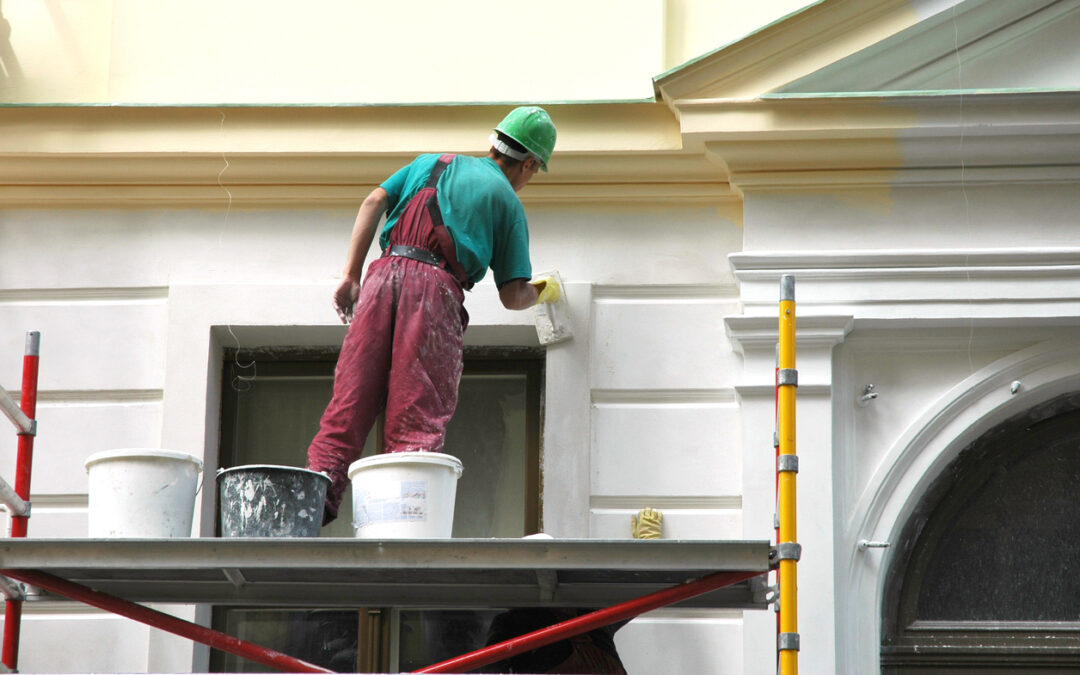
There is nothing better than a fresh coat of paint, glistening in the morning sun, and permeating your nostrils with that “new paint smell”. But once that fresh coat of paint is up, your job is not finished. That fresh coat of paint needs to be protected at all costs, and to the best of your ability.
This guide explains how to protect fresh paint during the first few hours, days, and weeks post-painting.
Key takeaway: The best way to protect a fresh coat of paint is to give it time. Keep surfaces clean, dry, and untouched while the paint cures. Avoid scrubbing, moisture, tape, contact with furniture, and heavy traffic until the finish has had enough time to harden.
Why fresh paint needs protection
Fresh paint goes through two stages. First, it dries, and then afterward, it cures. The drying of paint refers to the state in which paint no longer feels wet to the touch. The curing of paint refers to the point at which the paint has reached sufficient hardness that it can withstand all normal wear and tear. Curing will almost always take longer than drying. This is what can make a freshly painted surface look finished before it actually is. Your walls, cabinets, doors, trim, or exterior surfaces may look completely dry, but the paint underneath can still be soft. During this period, the finish is more vulnerable to scratches, dents, scuffs, moisture, and anything that presses against or sticks to the surface. Examples of damage include fingerprint smudges, scuffing from objects, dents from dropping items onto the painted area, marks from applying tape across the painted area, chemical cleaners, moisture, and more, until the paint is finally cured. It can also depend on the type of finish used on your project. Flat and matte finishes tend to be easier to mark up and are generally less easy to clean after they dry. Satin, semi-gloss, and gloss finishes are generally easier to clean after they have dried and cured.Dry paint vs. cured paint
- Dry paint: The surface feels dry enough to touch lightly, but it may still be soft underneath.
- Cured paint: The paint film has hardened and can better handle normal wear, cleaning, and contact.
- The mistake: Treating paint as fully protected just because it feels dry.
How long should you protect fresh paint?
The best option is to maintain protection over newly painted surfaces until they have cured or dried for at least 2 weeks, as long as practical. Curing times for most acrylic and latex paint products are typically 2-3 weeks under average conditions. Curing time will vary with the specific product, temperature, humidity, air circulation, surface, and number of coatings.Fresh paint protection timeline
| Time after painting | What to avoid | What you can usually do |
|---|---|---|
| First 24 hours | Touching walls, closing painted doors tightly, moisture, tape, and furniture contact | Keep the room ventilated and let the surface dry undisturbed. |
| First 48 hours | Scrubbing, hanging decor, pushing furniture against walls, and heavy traffic near painted trim | Light use may be fine if the paint is dry, but avoid pressure on the surface. |
| First week | Cleaning products, abrasive sponges, adhesive hooks, and repeated contact | Dust gently if needed and keep surfaces dry. |
| First two weeks | Wall washing, harsh cleaners, moisture buildup, and taped decorations | Begin normal use carefully, especially on walls, trim, doors, and cabinets. |
| After full cure | Still avoid abrasive scrubbing and harsh chemicals unless the product allows it | Clean with mild soap and water when appropriate for the finish. |
| Fresh paint stage | Days after painting |
|---|---|
| Initial drying period | 1 |
| Light-use period | 2 |
| Early protection period | 7 |
| Minimum cleaning wait for many fresh walls | 14 |
| Typical acrylic/latex cure range | 21 |
Protect fresh interior paint from scuffs and marks
Interior walls will take a lot of contact. It could be kids running around or a dog having some extracurricular fun. Make sure that you do the following:- Give the paint room to breathe.
- Keep furniture a few inches away from newly painted walls.
- Avoid leaning picture frames, mirrors, ladders, or cleaning tools against the surface.
- If a room was painted before a move-in, wait before pushing furniture tight against the wall.
Interior surfaces to protect first
Walls
Keep contact light while the paint cures.
- Do not scrub fresh paint.
- Keep furniture away from walls.
- Avoid adhesive hooks or tape.
Trim
Protect the details people touch most.
- Avoid bumping baseboards.
- Be careful with vacuums.
- Let trim harden before cleaning.
Doors
Prevent sticking and edge damage.
- Do not slam freshly painted doors.
- Leave doors slightly open if needed.
- Avoid hanging items too soon.
Cabinets
Let high-touch finishes cure fully.
- Use handles carefully.
- Avoid heavy wiping early.
- Keep doors from rubbing.
Be careful when cleaning freshly painted walls
Cleaning too soon is one of the most common mistakes that cause harm to fresh paint. It might appear as though the surface is ready for cleaning. But on closer inspection, the paint film may still be somewhat soft and could smudge or even be removed if cleaned. As long as there is no dirt or a very slight scratch in the paint early on, begin by using a dry microfiber cloth. Once the paint is completely cured, use a soft sponge or cloth with mild soap to clean. Furthermore, do not use abrasive pads, harsh chemicals such as strong solvents or ammonia-based cleaners, and try not to scrub too aggressively.Cleaning tip: If a wall was just painted, do not treat it like an old wall. Fresh paint needs gentle handling until the finish has cured.
Protect fresh exterior paint from moisture and dirt
Exterior paint will be exposed to a variety of elements beyond your fingerprints and your dog’s paws. Freshly applied exterior paint in Orange County is likely to experience intense sun exposure, high salt levels from the ocean air, and humid weather that can cause dew to form on the coating’s surface. You should also be wary of water droplets from sprinkler systems, airborne dust particles, breezes, dirt accumulation, and temperature fluctuations affecting the performance of the finish. As with any painting, proper surface preparation is necessary to achieve a quality exterior paint job. It’s important to note that the finishing process must have optimal environmental factors at the time of completion. Thus, do not wash newly painted surfaces prematurely; divert sprinklers away from freshly painted stucco, siding, trim, doors, and/or fencing; and monitor for dirt, leaves, and other debris adhering to the paint film before it hardens.Exterior paint protection checklist
| Exterior risk | How to protect the finish |
|---|---|
| Sprinkler overspray | Redirect sprinklers away from freshly painted walls, trim, and fences. |
| Dust and debris | Keep landscaping debris away from wet or curing surfaces. |
| Doors and gates | Avoid repeated rubbing at edges until the paint has hardened. |
| Outdoor furniture | Keep chairs, planters, hoses, and storage items away from painted surfaces. |
| Pressure washing | Wait until the paint has fully cured, and avoid harsh pressure on painted surfaces. |
Do not use tape too soon
Put the tape away. Tape can pull fresh paint right off the surface, which negates the entire reason for painting in the first place. This includes painter’s tape, masking tape, packing tape, holiday decorations, adhesive hooks, childproofing strips, and wall-safe removable products. Even products deemed removable, such as hangers and hooks, should be avoided at all costs. Let the paint dry before you see where things might lie.Items to keep away from fresh paint
- ✓ Tape and adhesive hooks.
- ✓ Furniture pressed against walls.
- ✓ Picture frames leaning on painted surfaces.
- ✓ Cleaning sprays and abrasive sponges.
- ✓ Wet towels or damp items hanging on doors.
- ✓ Hoses, planters, and outdoor furniture touching exterior paint.
Keep the room ventilated
Keep the room ventilated after painting to help the paint dry and cure properly. When the weather allows, open windows on opposite sides of the room to create cross-ventilation. You can also run a ceiling fan or place a box fan near an open window to move humid air outside. Avoid pointing a strong fan directly at a wet wall, as it can cause uneven drying and blow dust or pet hair onto the paint. Humidity can slow down the drying time of a fresh coat, particularly in areas such as bathrooms, kitchens, laundry rooms, basements, and coastal homes. It is suggested that you run an exhaust fan, have all interior doors open, or utilize either your air conditioner or a dehumidifier when the area feels humid. As soon as you are done painting a bathroom, try to avoid long, hot showers for the first couple of days. Although the paint will likely be dry in just a few hours, it could take many more hours to fully cure.Wait before hanging art or moving furniture back
Wait before you hang art or move furniture back. You might want to show off your new couch, or perhaps you recently purchased an original Salvador Dalí and want to display it. Maybe you got Salvador Dalí on credit because of your amazing credit score. Either way, give the paint some time first. Even if the walls feel dry to the touch, the paint may still be curing underneath. As a rule of thumb, wait 24-48 hours before hanging anything on the walls.How to protect fresh paint in high-use rooms
Some rooms require more caution because they involve moisture, grease, heat, or frequent handling. Bathrooms and kitchens are the main examples, since steam, grease, food splatter, and cleaning products can damage paint before it has cured. Laundry rooms, mudrooms, kids’ rooms, and hallways also need extra protection because they are used frequently and are more likely to be bumped, touched, or wiped too soon.| Room or area | Main risk | Best protection step |
|---|---|---|
| Bathroom | Steam and moisture | Use ventilation and avoid long hot showers right after painting. |
| Kitchen | Grease, food splatter, and cleaning products | Keep cooking splatter away and avoid wiping walls too soon. |
| Hallway | Handprints, bags, and furniture bumps | Limit contact and keep furniture away from the walls. |
| Kids’ room | Toys, hands, stickers, and furniture contact | Wait before using adhesives or pushing furniture against walls. |
| Exterior trim | Sun, dirt, sprinklers, and repeated contact | Keep surfaces dry and avoid contact while the finish cures. |
Common mistakes that damage fresh paint
Timing is everything in painting. Many times, we make some of the most common mistakes with freshly painted items because we treat them as if they were completely dry.Cleaning too early
Scrubbing too hard on your freshly painted walls, cabinets, trim, or doors may cause the paint to smudge, lose its finish, or even peel off. Before you begin washing your recently painted areas, give it time. Then gently wash with mild soap and water using a clean, soft cloth.Pushing furniture against walls
You can scratch, dent, or rub the paint right off of your freshly painted walls with your furniture. Leave all of your sofas, chairs, beds, and tables at least six inches away from all of the walls until the paint is totally cured.Using tape or adhesive hooks
If you put tape or any adhesive hook on your walls before the paint is fully dry, it could pull the paint right back off. Avoid using removable hooks, taping decorations, or placing wall decals on your walls while your paint is still drying.Letting moisture hit the surface
Newly painted surfaces exposed to steam, sprinkler systems, rain, wet rags, cleaning spray, or other moisture (especially in kitchen/bath/laundry room applications & outside) may be affected.BuiltPro tip: A fresh coat of paint lasts longer when the surface is prepared correctly, the right product is used, and the finish is protected while it cures.