
Premier Pressure Washing in Newport Beach, California: Covering Orange County
If you’ve ever watched a satisfying pressure washing video and thought, “I could do that,” you’re not alone. Those videos don’t show the thousands of homeowners who end up with stripped paint, cracked window seals, water damage behind their siding, or a trip to the emergency room.
In BuiltPro Painting’s years of serving Orange County, the team has repaired damage caused by dozens of well-intentioned DIY pressure-washing attempts gone wrong. Understanding the fundamentals of pressure washing, knowing when to use it versus softer alternatives, and recognizing Orange County’s unique climate considerations will help you make smarter decisions about maintaining your home’s exterior, whether you tackle it yourself or bring in the pros.
Understanding PSI and Why It Matters More Than You Think
When discussing pressure washing in Orange County or anywhere else, PSI (pounds per square inch) determines the difference between clean surfaces and costly damage. According to comprehensive PSI guidelines, pressure washers fall into distinct categories: light duty (under 2,000 PSI for cars and boats), medium duty (2,000-3,000 PSI for residential applications), high duty (3,000-6,900 PSI for commercial work), and ultra-high (7,000+ PSI for industrial jobs). Getting the PSI right means concrete driveways get clean without pitting, wood siding sheds dirt without splintering, and painted surfaces refresh without stripping.
Most homeowners don’t realize that it only takes 2,901 PSI to pierce human skin, and even 100 PSI can cause lacerations. Respect for these power levels is essential for both your property and your safety.
PSI is only half the equation. Professionals calculate cleaning power units (CPU) by multiplying PSI by GPM (gallons per minute). A 3,000 PSI machine with low GPM might actually clean less effectively than a 2,000 PSI unit with higher flow.
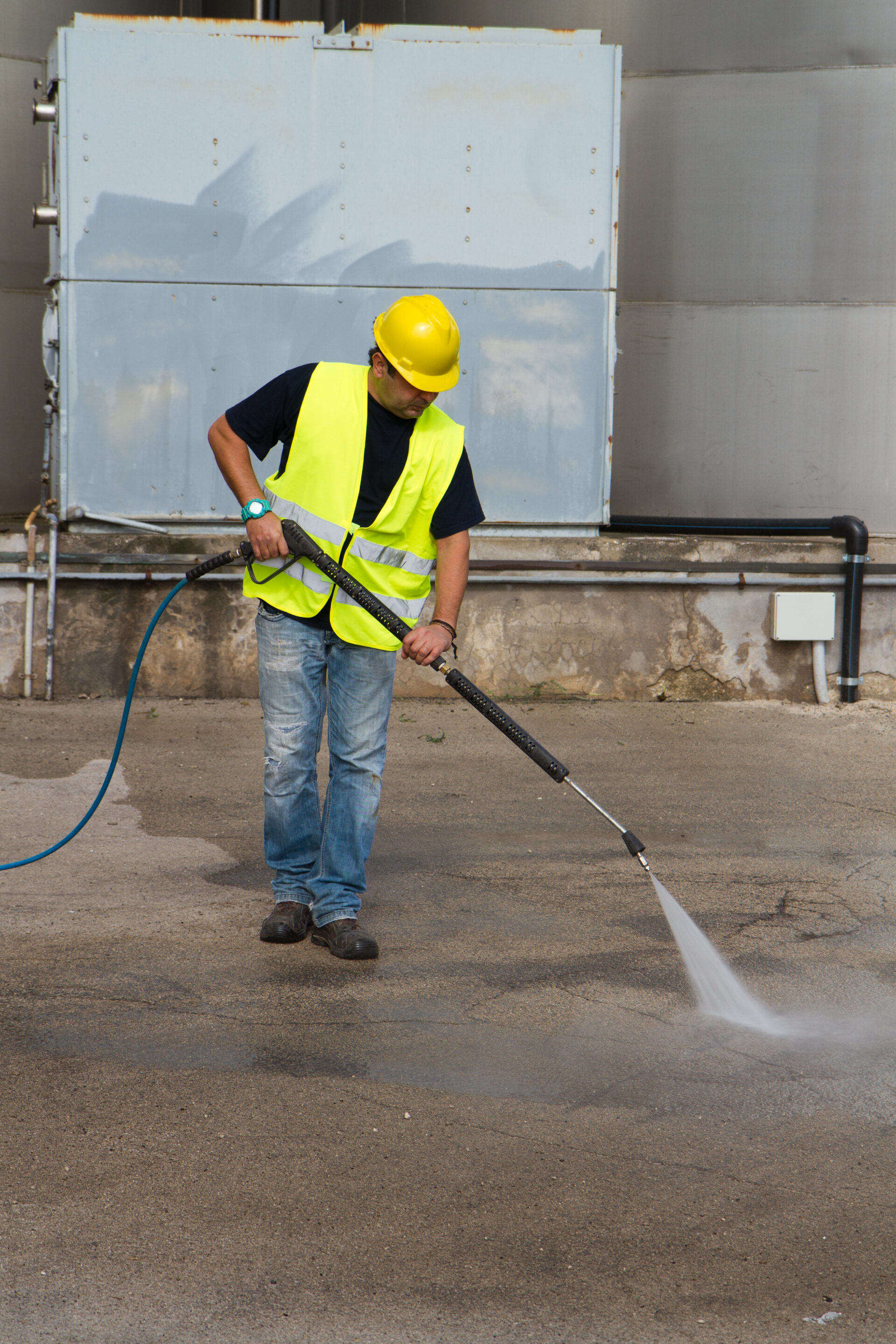
Nozzle selection matters just as much. Red (0°) nozzles deliver concentrated, high-force water you’ll rarely need. Yellow (15°) handles heavy-duty concrete. Green (25°) covers general tasks. White (40°) protects delicate surfaces. Choose wrong, and you’ll concentrate too much water in one area, gouging wood, stripping paint, or forcing water behind siding where it causes hidden damage.
The Best Time to Pressure Wash in Orange County (Hint: It’s Not Summer)
Orange County’s Mediterranean climate gives homeowners a major advantage over colder regions: 284 days of sunshine annually, with temperatures ranging from the 40s to 90s means pressure washing can happen nearly year-round. However, spring is optimal. After winter rain, mud splatter, and wind-borne debris accumulate on driveways, siding, and patios, spring cleaning makes perfect sense. The high temperatures and longer daylight hours mean surfaces dry faster, reducing the risk of mold and mildew from retained moisture.
According to frequency recommendations from industry experts, most homes need pressure washing every 2-3 years, but Orange County’s warm, humid conditions accelerate mold and mildew formation. Here, annual washing makes more sense, particularly for wood, stucco, and stone siding. Fall serves as a solid second choice. Cleaning before the Pacific storm season returns prevents dirt buildup from cementing itself onto surfaces over the wet winter months. Just avoid pressure washing during rainy periods or extreme heat when water and detergent evaporate before they can do their job.
Understanding timing and technique sets the foundation, but avoiding common errors separates successful maintenance from expensive repairs.
The Five Pressure Washing Mistakes That Cost Orange County Homeowners Thousands
In BuiltPro Painting’s years of serving Orange County, the team has repainted hundreds of homes damaged by pressure washing mistakes. The common threads are clear. First, using excessive PSI strips paint, gouges wood, cracks mortar, and shortens your siding’s lifespan. Homeowners see “more power” and assume better results, but delicate surfaces can’t handle commercial-grade force.
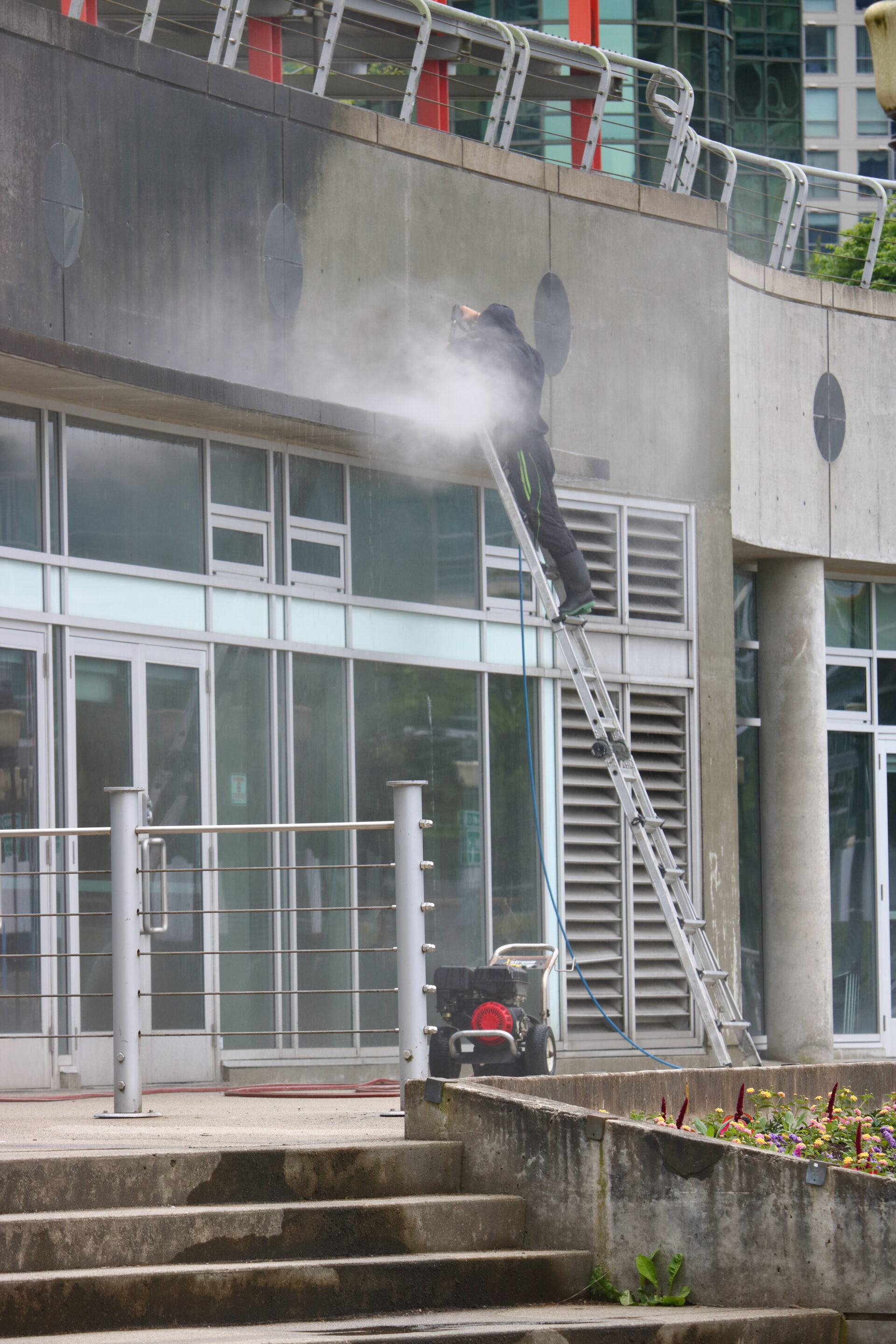
Second, holding the wand at the wrong angle forces water behind siding panels, loosening them and causing internal water damage you won’t discover until mold appears or panels fall off. The correct technique maintains a 45° angle to “scoop” dirt away rather than drive it deeper. Third, skipping personal protective equipment leads to the over 6,000 pressure washing injuries requiring hospitalization annually. Eye injuries from flying debris, hand wounds, and foot lacerations are entirely preventable, yet entirely common.
Fourth, ignoring surface compatibility causes cracked window seals, etched siding, splintered wood, and water intrusion. A Sacramento homeowner pressure-washed their driveway only to have water seep under the garage door into the threshold, causing extensive damage. Finally, using heated water on vinyl and PVC warps materials, causes discoloration, and peels paint. According to comprehensive guides on pressure washing mistakes, even the cleaning sequence matters. Applying detergent bottom-up instead of top-down prevents streaks and missed spots.
Soft Washing vs Pressure Washing: When to Use Each Method
Many Orange County homeowners make a critical error: assuming pressure washing works for everything. It doesn’t. Soft washing uses low pressure (150-300 PSI) combined with algaecides, bleach, surfactants, and water to safely remove organic stains, mildew, and algae without the wear or structural damage high-pressure water causes. Understanding the technical differences between soft wash and pressure wash methods prevents expensive mistakes.
Pressure washing excels on concrete driveways, patios, brick, and metal equipment. These durable surfaces benefit from deep cleaning power. Soft washing protects roofs, siding, and delicate materials. Try pressure washing asphalt roof shingles and you’ll strip the protective granules. Hit older painted surfaces too hard and you’ll need a complete repaint. Force water against windows or electrical fixtures and you’re creating safety hazards. Smart professionals often use both methods in a single service: pressure wash the driveway and walkways while soft washing the siding and roof. Success comes from matching the right technique to each surface.
Why Professional Pressure Washing Services Prevent Costly Damage
Professional pressure washing comes down to damage prevention expertise, not just equipment access. Licensed contractors understand that stucco requires different PSI than vinyl, that certain siding brands have vulnerable seam patterns where water intrusion happens easily, and that Orange County’s specific paint formulations (designed for UV resistance in the region’s climate) react differently to cleaning agents than products used in wetter regions.
According to pressure washing industry statistics, over 6,000 injuries require hospitalization annually, and thousands more homeowners cause extensive property damage through user error. Professionals following industry standards set by organizations like the Power Washers of North America know which surfaces need 1,500 PSI versus 3,000 PSI, when to switch from pressure washing to soft washing, how to protect landscaping and fixtures, and proper technique that cleans without destroying.
The expertise prevents specific, costly problems: forcing water behind siding panels where it rots structural elements, stripping protective coatings that accelerate future deterioration, damaging window seals that leak during rainstorms, and etching surfaces that then trap dirt faster. Professional hourly rates in Orange County typically range $50-160, or average $0.40-0.52 per square foot. Most residential jobs cost $310-422, with a range of $100-700 depending on house size and specific needs. This is less than repairing stripped siding, replacing cracked window seals, or remediating water damage behind panels.
Keep Your Orange County Home Looking Fresh Without the Headaches
Pressure washing Orange County homes requires understanding the climate advantages, respecting PSI limits, choosing appropriate methods for each surface, and recognizing when professional expertise prevents costly mistakes. Spring offers optimal timing, annual cleaning suits the region’s warm, humid conditions better than longer intervals, and knowing the difference between soft washing and pressure washing protects your investment.
BuiltPro Painting has seen every pressure washing mistake in the book, and the team has fixed the damage from most of them. The team understands Orange County’s specific needs, from california climate considerations to the precise PSI requirements for stucco, wood, vinyl, and painted surfaces. BuiltPro combines pressure washing and soft washing techniques in every service, ensuring driveways get deep cleaning power while siding, roofs, and delicate features receive gentle, effective treatment.
Ready to refresh your home’s exterior without the risks of DIY attempts? Contact BuiltPro Painting for professional pressure washing services that protect your property while delivering the clean, maintained appearance Orange County homeowners expect. The team will assess your specific surfaces, recommend the right approach, and handle the job with the expertise that comes from years of experience so you can enjoy the results without the emergency room visits or repair bills.
Frequently Asked Questions
Is Pressure Washing and Power Washing The Same Thing?
While the terms are often used interchangeably, pressure washing and power washing have one key difference: temperature. Power washing uses heated water, which makes it more effective at removing stubborn stains like grease, oil, and gum. Pressure washing uses ambient temperature water and works perfectly for most residential applications. BuiltPro Painting typically uses pressure washing for Orange County homes because the heated water in power washing can damage certain siding materials, especially vinyl and painted surfaces. For residential exteriors, standard pressure washing combined with appropriate detergents delivers excellent results without the added heat risk.
Is Pressure Washing Difficult?
Pressure washing requires more technical knowledge than most homeowners realize. Getting it right means understanding PSI requirements for different surfaces, selecting the correct nozzle, maintaining proper angle and distance, knowing which cleaning agents work with specific materials, and recognizing when to switch to soft washing. The learning curve is steep, and mistakes are costly. Holding the wand at the wrong angle forces water behind siding. Using excessive PSI strips paint or gouges wood. Skipping safety equipment leads to over 6,000 hospitalizations annually. The physical technique itself is straightforward, but the expertise needed to avoid damage is why many Orange County homeowners choose professional services rather than risk expensive repairs.
How Much Does It Cost To Power Wash an Orange County House?
Professional pressure washing in Orange County typically costs $310-422 for most residential jobs, though prices range from $100-700 depending on house size and specific needs. Many contractors charge by square footage at $0.40-0.52 per square foot, while hourly rates run $50-160. Several factors affect the final price: total square footage, siding material and condition, accessibility challenges, whether soft washing is needed for delicate areas, and how much prep work is required. BuiltPro Painting provides detailed estimates after assessing the property because every home has unique requirements. The investment typically costs less than repairing damage from DIY attempts, especially when considering potential paint stripping, siding replacement, or water intrusion remediation.
How Long Does It Take To Pressure Wash A House?
Most residential pressure washing jobs take 2-6 hours depending on house size, surface types, and how much preparation is involved. A small single-story home with minimal landscaping obstacles might only need 2-3 hours, while a larger two-story house with multiple surface types, detailed trim work, and areas requiring soft washing can take 4-6 hours or more. Time factors include moving outdoor furniture and protecting plants, pre-treating heavily soiled areas, switching between pressure washing and soft washing methods for different surfaces, and ensuring proper drying time between sections. Professional services work efficiently because the team knows exactly which PSI, nozzles, and techniques work for each surface without trial and error that extends DIY projects.
How Often Should You Pressure Wash Your House?
While most homes nationwide need pressure washing every 2-3 years, Orange County’s warm, humid conditions accelerate mold and mildew formation, making annual washing more appropriate. The region’s climate with 284 sunny days creates ideal conditions for dirt accumulation, and proximity to the coast adds salt spray and moisture that speed up surface deterioration. Homes with wood, stucco, or stone siding benefit most from annual cleaning because these materials trap organic growth more readily. Spring is the optimal time for this annual maintenance, though fall works well as a second choice before Pacific storm season returns. BuiltPro Painting recommends annual pressure washing for most Orange County properties to prevent buildup that becomes harder to remove over time.
Contact Us
Ready to get started on your next painting or home improvement project?
Contact our team of Orange County painters today to schedule a consultation and receive a free estimate. We look forward to hearing from you!